CS Spotlight: Ryan Lay works as an educator and advocate

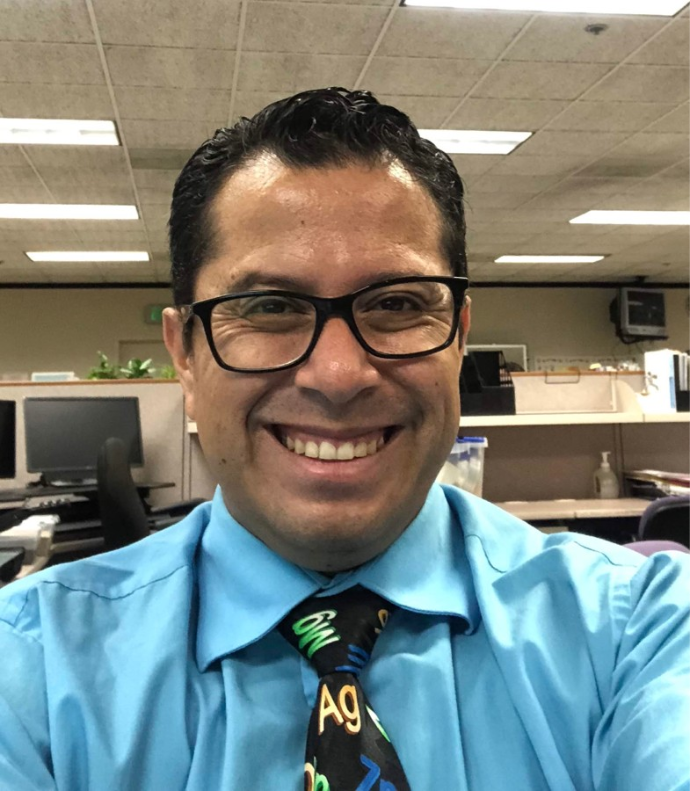
Student leadership is a key component of building equitable, accessible computer science education. Ryan Lay, a recent graduate from UC San Diego, has been volunteering as an educator and advocate to make computer science skills more equitable for underserved students in San Diego.

Tell us about your background. How did you get involved in computer science?

The hardest opportunities to take are the ones you don't see. For a rural school, it's nearly impossible to know what you're missing. Growing up in the town of Julian, it wasn’t until I was in summer camp that I truly learned how much of a gap there was between the small and large school experience – and I realized that I didn't have to wait for opportunities to come if I made my own. With help from my family, friends, and faculty, we brought together a FIRST robotics team, launching the beginning of my computer science journey. Hot off the steam from starting a team, I eventually made my way to my first computer coding class, free Massive Open Online Courses (MOOCs) such as EdX and Codecademy. However, it wasn't all sunshine and rainbows as I struggled to maintain the discipline to continue these courses. It just felt ... aimless. It wasn't until I was a senior in high school that I would actually complete a computer science class through a dual-enrollment course.

How did you decide you wanted to study computer science?

I grew up following the stories of Anakin Skywalker and Tony Stark but it wasn't just the gripping story that had me enchanted, it was the immersion and imagination of the worlds they lived in that had me invested--so when it came to deciding what I wanted to be when I grew up, I knew nothing would be more fitting than making fiction into non-fiction. I was going to be an engineer. 

Four years later, I’m proud to say I've finished my B.S. in Computer Science Engineering at UC San Diego. My degree is a testament to the work I've done to pass the academic filter – coming from a rural background, it was a struggle just to get to the starting line. Simply claiming that you'd pursue a major may be a first step to get to the line, but there are still a series of educational and mental steps to make on the way there. One of the most common remarks I hear about computer science is "computer science is a good major, it's tough but you make a lot of money" followed by "I wish I could've done that." For a field that offers digital literacy, problem-solving skills, and career opportunities, it shouldn't be as inaccessible to go from that initial interest in computer science to solving problems with computer science. 

Can you describe the work you’ve been doing in the computer science advocacy space?

My very first (and most formative) outreach experience was recruiting for the newly founded ET Brigade, a FIRST Tech Challenge team. I eventually found my home in CS foreach, a student organization at UC San Diego which had three branches: TritonHacks, a high school hackathon; Curriculum, custom workshops varying from review to exploratory; and Early Start, a fellowship program. Starting off as a content writer for the online TritonHacks 2021, I wrote a web “starter kit,” essentially a tutorial to build a barebones hackathon project, and would go on to mentor and tutor roughly a dozen students. The following year, I served as TritonHacks 2022 Director, responsible for bringing the online event to in-person after the pandemic. In my final year, I stepped up and became president of CS foreach, working to strengthen the structure of the organization, lead a rebranding, increase publicity and its network, and advise on TritonHacks 2023. Today, I'm bouncing between different projects and roles as a computer science educator. I'm a Research and Development Engineer working at SCCN, in a lab that works at the intersection of VR and CS education; a guest robotics/computing instructor at the Monarch School; an advisor to CS foreach; an advisor at BAYCSC; and a Curriculum Developer and Instructor at Code With Her, a local non-profit. I intend to continue working in computer science advocacy for the majority of my career.

What is the value of computer science education for all students?

While CS offers many career opportunities, I found greater value in its universal applicability to our lives. To me, computer science is as fundamental as math and literature, being used in every domain I could think of from finance to health, science to art, and entertainment to education. If there’s a problem, CS finds a way to make it more efficient, more accessible, and more innovative. Unlike previous eras, the information age has made knowledge available at the tip of your fingertips – and who wouldn't want a piece of that pie?

However, as Uncle Ben says, “with great power, comes great responsibility.” In the increasingly digital age where everybody has access to these platforms, it’s not difficult to see how AI ethics come into play and generative art and large language models can be used for malicious intentions – and those are just the mainstream ones. In an age of rampant misinformation, understanding computer science is a good first step to appreciating what’s possible and building a healthy skepticism of the internet. In the same way that you shouldn't be a lawyer to understand your legal rights, you shouldn't have to be a software engineer to understand your digital life.

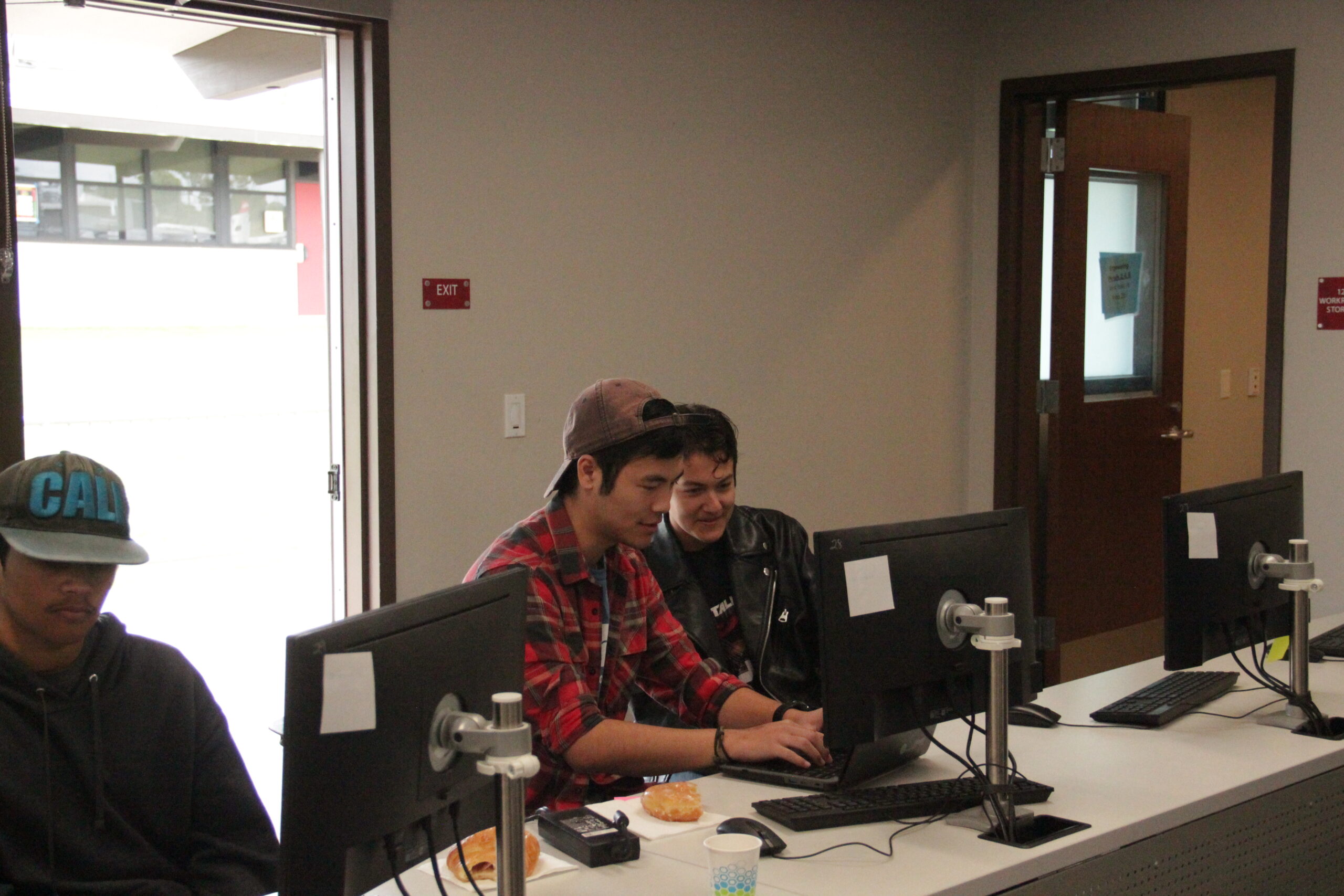
Ryan tutoring students at TritonHacks 2022, a hackathon for high school students
What advice do you have for students hoping to learn computer science?

At the UCSD Computer Science and Engineering Department, every undergraduate student learns the idea of “start early, start often.” I think the part that I took away the most was the “start often” half of that saying. In order to “start often,” you have to be doing something new, seeing how it ends up and then starting again. You don’t always have to see a new project all the way through to the end, what matters is that you’re starting. This continual cycle of getting back up and starting again leaves no room for perfectionism because perfection isn’t a destination, it’s a consequence of trial and error. I had started learning how to code 4 times before I finally was able to write my first program. I had applied 5 times to become a computer science tutor and didn’t even make it to the interview stage. It took me nearly 50 internship applications before I received my first interview. Failures happen for reasons that are both in and out of your control. The most important thing we can control is whether to start again or to start something different.

Anything else you'd like to share with us?

Even though my story is that of a student that has wanted nothing more than to become a maker and engineer, the computational thinking and lessons I’ve learned from my journey are not exclusive to just engineering. The digital literacy and problem-solving skills I’ve learned extend beyond just CS. These are all strategies and skills that are baked into the way that computer scientists and software engineers approach building applications and robots, but they shouldn’t be exclusive to engineers. I invest in computer science education not just because it's rewarding to teach but because I find nothing more rewarding than empowering people to seize control of their own lives.

CS Spotlight: Katherine Goyette Embeds Computer Science Education Equity Into School Systems

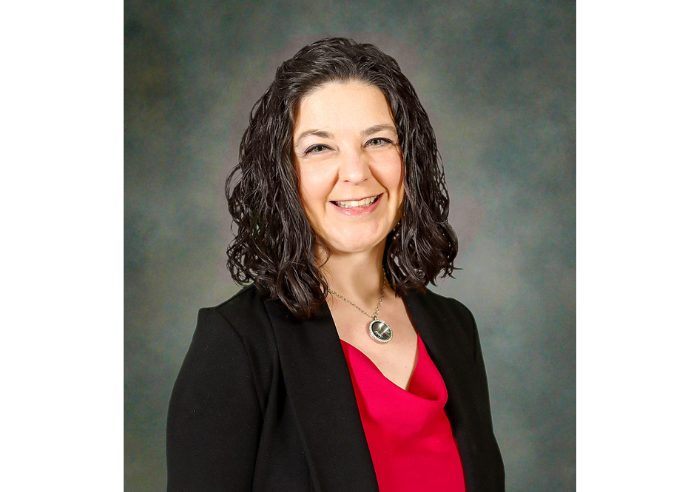
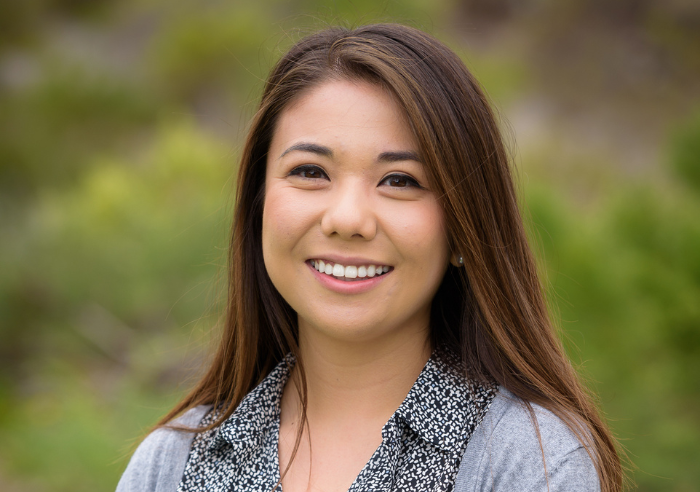
As we enter the digital age, it’s especially important that every student – regardless of gender, race, or income level, has access to high-quality computer science education. California Department of Education Computer Science Coordinator Katherine Goyette understands these intersections between access and opportunity in computer science, and is working on building a future where all students have the tools they need to succeed in a CS first world. Read on to learn more about her background, role, and passion for equity in the classroom. 

Tell us about your background. How did you get introduced to computer science?

Ever since I was a child I have been interested in how emerging technologies work and can be leveraged for both practical and artistic purposes. In the mid 1980s my father bought a Macintosh personal computer and I began creating turtle graphics using logo programming. Offering computer coding for kids wasn’t as common in the K-12 space at that time, but curiosity and passion led my learning as the years passed, whether it was through building a website on my own time or upgrading the hardware components in my laptop. When I later entered the public education space, I continually sought out ways to embed CS education equitably into the school systems in my sphere of influence.

Tell us about your work in the computer science education space.

Currently I am the Computer Science Coordinator for California. I continually seek out the voices and perspectives of educators, families, students, and communities from across the state, so that I may provide guidance and support that celebrates variability and builds upon the unique strengths and assets of each region, district, and school. It is by building the capacities of those we serve that we can create sustainable progress in CS education equity that is tailored to the identities of our students, families, and communities.

Why is CS education equity important to you?

Prior to my role at the California Department of Education, the majority of the students I served as a classroom teacher and administrator were the children of migrant farmworkers. Statistically, these students are in subgroups that are far less likely to have access to computer science education than other populations across the state. In order to best serve the needs of our diverse state, we must create CS opportunities for students who have historically been underrepresented. By ensuring widespread access to computer science education in California, we build our students' skills in evaluating technologies with a lens of equity in the classroom, identifying and investigating potential algorithmic biases, and utilizing computing for social justice.

What is ethical computing and why is it important to teach?

It is vital that we create CS opportunities for students in a way that teaches them to be critical consumers and ethical creators of computing technologies. Technology is a tool that can promote social justice and positively impact society. However, it also has the potential to be used nefariously. Our students must learn to understand that AI may provide incorrect information, algorithms may have bias, and it is our responsibility as humans to control and monitor computing devices, to promote a healthy use of computing technologies for the benefit of humanity.

What is the value of computer science education for all students?

As California's state board adopted standards documents indicate, computer science is to be considered a core subject for grades K12, and guaranteed as an opportunity for all students. Computer science contains foundational concepts that support a well-rounded education for all, which goes far beyond coding. As students engage in CS education, they learn how computing systems work together, analyze and evaluate data, consider benefits and security challenges of online spaces, and participate in program planning and troubleshoot errors in code. These concepts prepare students to actively participate in our digitally connected world as resourceful, knowledgeable, ethical citizens.

To learn more about the work that the California Department of Education is doing to make CS a priority, read about the Computer Science Content Standards Development.

CS Spotlight: Stephen Callahan Advances CS through New Technology & Innovation

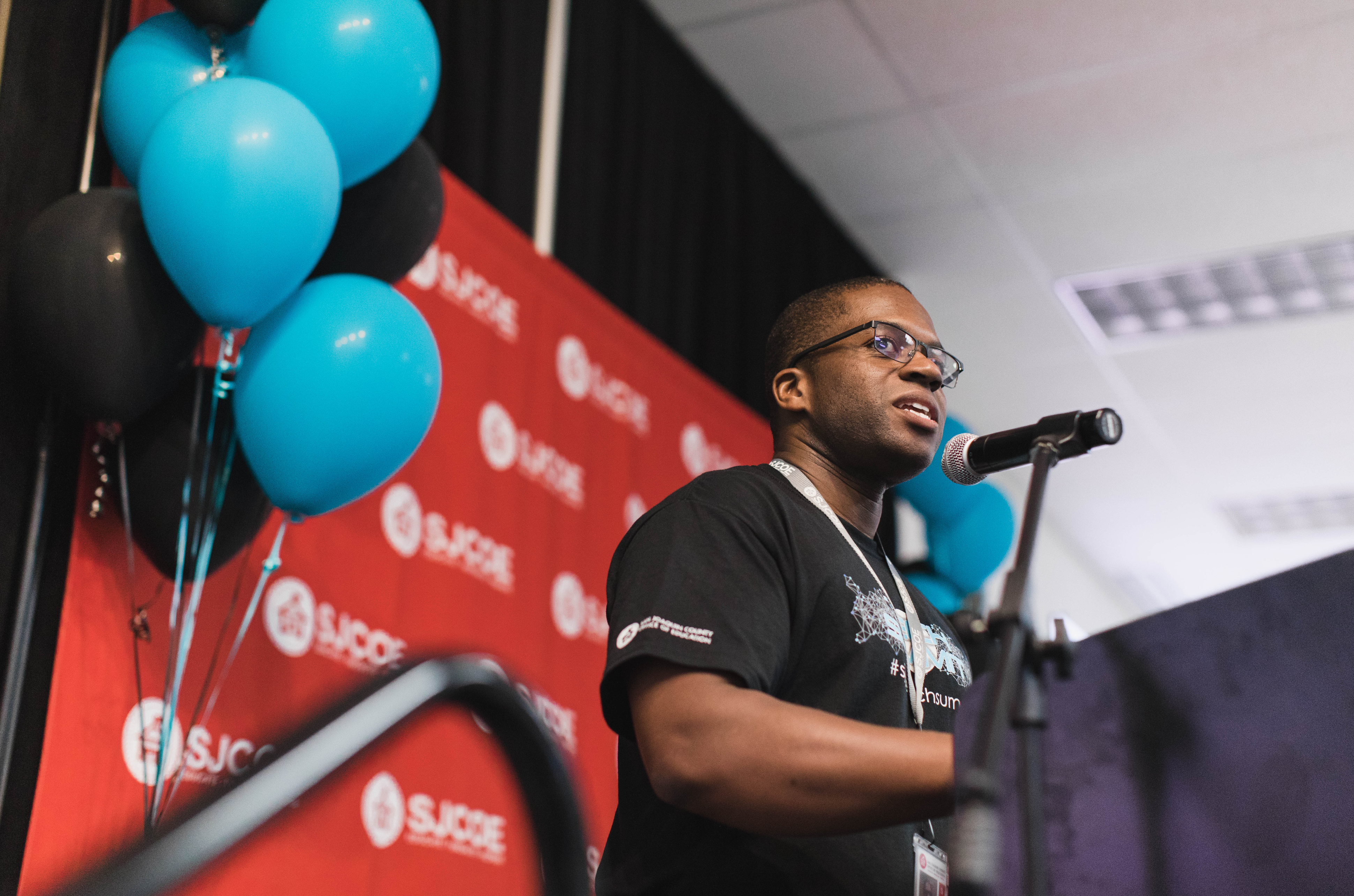
Students deserve accessible opportunities to learn computer science – and educators across California are pioneering unique, creative ways of teaching CS. One such educator is Stephen Callahan, who manages FabLab at the San Joaquin County Office of Education. Read on to learn about Stephen’s background, and how he provides students with hands-on educational experiences that demystify complicated concepts within computer science.

How did you get involved in computer science education & educational technology?

I loved anything to do with computers and would always bug my mom to take me to Radio Shack to look around at what they had. I also would always be at the library using their computers. I even remember one of my teachers letting me come in on a teacher work day to use the computer at school. I eventually managed a computer lab during college, and worked in Silicon Valley in IT directly after graduating. I taught public high school for 13 years, but during that time I was the advisor of the computer science club, and sometimes taught Computer Science at night for a private academy and wrote computer models for an online science textbook. When the San Joaquin County Office of Education had a grant that dealt with computer science, I signed up because it was a chance to use my CS skills. Every opportunity they gave me, I took, and now I work here running the FabLab.

Why is CS education equity important to you?

I want to give opportunities to students who don't have them. Computer science is both something that I have ability in, and something that schools have space to grow in in terms of providing all students access, so it seems like the right thing for me to work on. Because there is limited access to CS education, students miss out on well-paying jobs, which can have crucial benefits to their communities. I cannot think of a better way to spend time than helping increase these opportunities.

Can you describe your role at San Joaquin County Office of Education?

I manage the SJCOE FabLab. It is a 7,000 square foot makerspace in Stockton, CA. The lab has lots of fun stuff like LEGO robots, ZSpace augmented reality computers, 2 VEX robotics arenas, Little Bits, MicroBits, Spheros and more. Steffany Zanini, FabLab Program Manager, and I run field trips and summer camps for local (and not so local) schools who want their students to learn more about engineering, with a focus on robotics, data, AI and all of Computer Science. I also write computer science curriculum for CodeStack (another division of the SJCOE). I teach computer science and engineering in the STEM Masters program at Teachers College of San Joaquin. I also lead teacher professional development. Lastly, I get to engineer cool exhibits and educational tools for students.

Stephen Callahan

One of my more recent inventions is a computer vision camera that talks to scratch so students can make simple AI programs that respond to different specific items. At our lab, my team is constantly working to engineer devices and lessons to make learning difficult concepts like data science or AI quicker, cheaper, and simpler (by abstracting away unnecessary or distracting barriers). For instance, last week migrant education students were at the lab learning robotics and waves. The wave lessons were taught through engineering sound and music devices. Kids wired electric instruments, programmed sounds in MakeCode and Scratch, built electronic music boxes they got to take home powered by the Raspberry Pi Pico. We also had lots of instruments from around the world that Steffany and I reverse engineered to inspire the kids’ work. 

Can you tell us about the CS education opportunities that the San Joaquin County Office of Education offers, and why offering a CS curriculum is so important?

San Joaquin County Office of Education has the largest STEM department of any county office (an amazing and dedicated group of educators led by our brilliant Division Director, Annie Cunial) to help students be able to take advantage of the opportunities they can have with help. While the department provides opportunities like science camp at Sky Mountain, environmental literacy field trips at Durham Ferry and teacher professional development throughout the county, my favorite part is the computer science, technology and CS support the FabLab team provides.

Another part of our CS support is the curriculum we write. CodeStack STEAM is being taught right now in County Operated Schools, the Discovery Challenge Academy, and Juvenile Hall. We have been developing hands-on, engaging curriculum to help students who otherwise might not have access or exposure to computer science. We have also been working to support one of our local districts, Tracy Unified, with writing and PD in their PreK-12 STEM curriculum, where every student gets access to Computer Science from Pre-K - 12. Efforts like these mean that CS doesn't just go to a few students who are lucky enough to have a specific teacher. They mean that everyone is getting access, and that equitable access is important to build a just world.

Students at Girls Who Code
What is the value of computer science education for all students?

Computer science gives students economic opportunities, and other important enhancements to their lives. My teaching credentials are in physics, chemistry and math. I taught high school science for over a decade before starting here. In the Next Generation Science Standards, there is this idea that students need to know science for both career and for civic engagement. In other words, we live in a democracy and students should understand how the world around them works because they will make decisions for themselves and others based on that knowledge. Computer Science is similar. Increasingly, the world we live in works based on computers, networks, and data. If students don't understand these topics, they are missing out on understanding their world, communicating and expressing themselves effectively, and making progress.

Why is it important to provide high-quality training to educators who want to teach computer science?

Every teacher learned science, math and reading in school. Not every teacher learned computer science in school. While it is important that we all have professional development in general to keep learning, it is crucially important to support teachers in computer science. It's new and it can take time and support to learn new things. Teachers and students both deserve access to CS education to improve all of our lives.

San Joaquin County Students
Anything else you'd like to share with us?

My Google Innovator project was about supporting teachers in CS education by teaching them computer science with Apps Script. It is the back-end language that runs the Google Workspace. I also wrote the basics of a block-based programming language called Teacher Blocks. I also have an online series of lessons on our department resource website. Lastly, we just won an NSF grant in partnership with the Concord Consortium to work with local teachers on integrating artificial intelligence into multiple subjects. There are so many new opportunities with CS, and I look forward to our students having access to all of them!


To learn more about FabLab and other STEM opportunities offered by the San Joaquin County Office of Education, check out the FabLab website.

CS Spotlight: Rudy Escobar Serves as a Leader of CS Education in Stanislaus County

In a world where computers affect every aspect of our lives, implementing computer science education in local school districts couldn't be more important. In his role as STEM & Computer Science Coordinator with the Stanislaus County Office of Education, Rudy Escobar spearheads professional development initiatives that equip educators with the tools they need to teach CS to their students. Hear from Rudy about his background, role, and passion for equity in our rapidly evolving world.

How did you get involved in STEM & computer science education?

With an engineering background, I arrived in the United States as an immigrant, eager to pursue my career. However, due to various challenges, I had to return to school to obtain a degree from the United States before starting my journey in the industry, where I worked for eight years. Throughout my academic and professional journey, I enjoyed training and supporting people. One day, a teacher friend invited me to observe his class, and I was immediately captivated by the teacher's enthusiasm and connection with his students. I realized that I could make a positive impact on young adults before they entered the STEM and computer science workforce. Without hesitating, the next day I approached my boss and informed her of my decision to transition into teaching. Despite the doubts and disbelief of some people around me, I was driven by my passion to educate the younger generation, even if it meant taking a pay cut. Today, that same passion continues to motivate me to make a difference in the lives of students, educators and administrators, and I am grateful for the opportunity to inspire and empower the next generation of STEM and computer science leaders.

Why is CS education equity important to you?

As an advocate of equity, I firmly believe that it should be the cornerstone of anything we undertake. To me, achieving equity in all aspects of education, including academic equity, systemic equity, and climate equity, as outlined by the CA-QPLS, is imperative. In particular, ensuring equity in computer science education is of utmost importance because every student deserves equal access to gain the knowledge and skills necessary to become well-informed citizens and succeed in a rapidly evolving world. Without equitable access to CS education, we risk perpetuating disparities and hindering students' potential for success.

CS Students from Stanislaus County
Can you describe your role at Stanislaus County Office of Education?

Describing my role is always a challenge because I am involved in various aspects of my field. As a STEM Coordinator, I primarily provide professional development for educators and administrators. However, I am also deeply committed to developing opportunities that directly connect with students and parents. Yet, my role extends beyond these responsibilities. I take leadership roles to support not only my region but also anyone that needs support around our state, and I consider myself an advocate for equitable STEM and computer science education. Through my leadership roles, I strive to have a voice and advocate for all students and educators, not just in my region but nationwide. Collaboration is another passion of mine, and I enjoy working with multiple partners to expand STEM and computer science education in our state. I am always eager to support our CS community in any way possible, as I firmly believe that access to STEM and computer science education is critical to achieving equity and success for all students.

Can you tell us about the CS education opportunities that Stanislaus County Office of Education offers, and why offering a CS curriculum is so important?

Offering a comprehensive CS curriculum is crucial for providing guidance to educators on how to teach computer science. However, like many other regions, Stanislaus County faces numerous challenges in providing equitable access to computer science education for all students. Although some schools in the county offer computer science courses, this education is not accessible to all students due to competitive priorities within our system. To address this issue, we recognize that we need to begin providing computer science education at a very early age, ideally in K-8. However, educators in these grades face numerous requirements and demands, and computer science is often seen as an add-on or enrichment activity.

To combat these challenges, we have created numerous opportunities for computer science education within the existing system. We provide professional development for K-6 educators, encouraging them to integrate computer science into their ELA, mathematics, arts, and science. We also offer professional development for educators teaching grades 6-8 to integrate computer science through physical computing into their science courses. Additionally, we have developed lessons and provided professional development for coordinators and staff to integrate computer science and physical computing for students from multiple districts who attend our Career Inspiration Center. We have even provided professional development for after-school program educators to teach computer science and physical computing to their students. Additionally, we offer opportunities to introduce programming to underrepresented students and their parents in their own communities, encouraging parents to advocate for their children to have access to computer science courses in their schools and inspiring students to take these courses. While we still have a long way to go to make CS education equitable for all students in our region, we are proud of the positive strides we have made.

CS Students from Stanislaus County

What is the value of computer science education for all students?

Computer science education provides numerous benefits for all students, regardless of their future career aspirations. One of the most significant benefits is preparing them for the rapidly changing technological landscape. In today's world, computer science is an essential component of almost every industry, and a basic understanding of programming and software development can be an advantage in any job. Furthermore, as artificial intelligence becomes increasingly prevalent, students must have a solid foundation in computer science to make informed and ethical decisions about the development and implementation of AI programs. Without this understanding, they may not fully comprehend the implications of AI on society, such as potential job displacement, privacy concerns, and algorithmic bias. Additionally, computational thinking skills, such as problem-solving and analytical skills, are essential for all students. These skills help students approach complex problems in a structured and systematic way and find efficient solutions.

Why is it important to provide high-quality training to educators who want to teach computer science?

It is important to provide high-quality training to educators who want to teach computer science. The CSTA Landscape Survey of PreK-12 CS Teachers revealed that many teachers lack the confidence to promote equitable computer science at the district or state level, and that a significant percentage of teachers lack confidence in motivating students who show low interest in computer science, using culturally-relevant pedagogy to support student learning, and using topics of inequities as a tool in computer science. This issue indicates that there is a need for training that can equip teachers with the necessary skills and knowledge to effectively advocate for computer science education in their communities. High-quality training can help teachers develop the skills and knowledge they need to address these challenges and provide an inclusive and equitable learning experience for all students.

CS Students from Stanislaus County
Anything else you'd like to share with us?

I feel honored to be a part of this wonderful CS community. I've been blessed to find exceptional mentors and friends who have helped me grow as a leader. I am grateful for all that I have learned and accomplished thus far, and I am excited to continue growing and learning with this community.

To learn more about STEM & Computer Science at Stanislaus County Office of Education, check out their computer science online hub.

CS Spotlight: Brittany Oka Advances Computer Science through Counseling

Brittany Oka, Monte Vista HS

Counselors have a key role to play in promoting high-quality computer science education — and counselor Brittany Oka has been on the front lines of the computing conversation at Monte Vista High School. Brittany attended a dynamic workshop hosted by Counselors for Computing (C4C), spearheaded by UC San Diego CREATE and the San Diego County Office of Education and incorporating content provided by National Center for Women & Information Technology (NCWIT) Counselor for Computing. Through the workshop, Brittany gained information and resources to help her students access transformative computing careers.

Read on to learn more about Brittany’s background, takeaways from the workshop, and accomplishments as a counselor.

Tell us about your background. Why is computer science education important to you?

I am currently a Counselor at Monte Vista High School. I have worked previously at UCSD under Parent & Family Programs and The Preuss School. I have also worked at Orange Glen High School in Escondido. Computer Science is important to me because I speak to students with a variety of backgrounds and interests! I work with students that come from low-income backgrounds and are traditionally underrepresented in college. Learning more about different pathways for my students is important to me so that I can provide them with the most valuable information so that they can make their own informed decisions on their post-secondary plans. 

Why did you decide to attend a Counselors for Computing workshop? 

I decided to attend because our CTE Computer Science teacher recommended that some of the counselors at our site attend. Since we have a Computer Science pathway, I also wanted to learn about how I could better promote the classes that we offer and how students could benefit from learning various concepts in the class. There was also an emphasis on equity within the field and how we can better promote Computer Science to students of color and women. 

What were some of the most important lessons you learned from the workshop?

I learned that there are very diverse employment opportunities within Computer Science — and that many students may not be aware of the many industries that they could work in! The data on AP exams and the amount of female students that enroll also was very enlightening.

How, if at all, has the workshop changed your approach to being a counselor? 

This workshop has helped me promote Computer Science to our students. I am better able to articulate career paths and let students know that Computer Science is for all students, at any skill level. It has helped me demystify the perception that Computer Science is only for "smart" students. It has helped me promote computer science to female students as well.

Following the workshop, what is your advice to other counselors hoping to advance equity in computer science education? 

My advice is to work closely with your Counseling department and the department chairs if Computer Science is offered at your school site.  Think of ways to promote Computer Science at the school and speak with students individually about their post-secondary plans. Encourage students of color and female students to take classes that will broaden their perspective of career paths and it relates to anything in the STEM field.

Anything else you’d like to share with us?

I am planning to start an after school program for "Girls Who Code" and have received some district support. Hopefully we will have some additional funding to take students on field trips and to explore other programs throughout San Diego.

Learn more about Counselors for Computing (C4C), and be sure to register for the C4C workshop at Summer of CS 2023.

CS Spotlight: Native American Scholars on Indigenous Identity and Computer Science

This Native American Heritage Month, we’re reflecting on the intersections between Indigenous identity and computer science. Hear from April Lindala from Northern Michigan University and Cueponcaxochitl Moreno Sandoval from California State University Stanislaus about how K-12 teachers and educators should bring the intersectionality between Indigenous identity and computer science education to their own classrooms.

Cueponcaxochitl Moreno Sandoval: In my classes, I pose questions to my students: “Who am I, deeply? What are my stories of walking this earth? Who am I in relation to the concepts that we're learning in class towards whole liberations? How can I include these stories, or these practices, or these ways of seeing the world, into producing these programs?”

We imagine as a class what liberation is. Sometimes, when we think about liberation, we have to consider the absence of liberation. Restrictive language policies, state-sanctioned violence policies – this is the absence of liberation. So, how can we imagine liberation? And, it’s a co-liberative movement, because when we identify with a group, then not everybody will be like us. The co-liberation is that we're moving together in a specific direction that we'll probably never get to – but the process of getting there is the dignity itself. It’s leveraging the tools of the class for this very specific purpose that is connected to the actual students in the course. For 16 weeks, or an academic year, we focus on these concepts.

April Lindala: This is a complex conversation, and the problem can’t be solved through a one-day workshop. It takes relationship building and it takes time. Taiaiake Alfred is a Mohawk scholar, and he says that people have to go through a “Great Unlearning,” shedding some of their past knowledge before new growth can happen. And, especially with regards to understanding Indigeneity and inclusion of that in the classroom, especially if it's not Indigenous teachers, there's a whole learning curve. For teachers, that's a bitter pill to swallow – admitting that what they’ve been teaching is wrong. But we’ve seen that teachers are yearning for this education. It's not a one-and-done. It's going to take a little bit of investment, dedication, time, and an open heart, but an understanding that there's going to be some unlearning happening too. 

To learn more about how much work is yet to be done to expand access to computer science education to Indigenous students check out the California Computer Science Access Report.

CS Spotlight: Malaika Bryant Advocates for CS Education in Kern County

California school districts are where the rubber hits the road when it comes to local implementation of statewide policies to expand access to computer science education. In Kern County, with Bakersfield at its county seat, Educator Development Director Malaika Bryant has been a key supporter of CS teachers and students. Recently, Malaika shared with CSforCA her inspirational work facilitating successful CS partnership programs that prepare students for an increasingly digitized future. Read on for an edited version of our conversation:

How did you get involved in computer science education?

My role provides me with the opportunity to support educators in a variety of ways. This includes searching for resources and working with partners to develop a comprehensive system designed ultimately to enhance possibilities for the students, teachers and communities we serve.

Why is CS education equity important to you?

All education equity is important to me. CS education is one component within our system that can open pathways that a student may not have had the opportunity to imagine before being exposed to new ideas and skills offered within the curriculum. Every student deserves to have access to meaningful learning experiences that not only build skills, but also provide a path to new ideas, ways of thinking, and opportunities. Having a teacher who has had the opportunity to develop expertise and has been provided the support to build that same capacity in others, leads to systemic shifts in access and opportunity for students.

What does the CS education landscape look like in Kern County?

Currently, 1% of the student population of Kern County is enrolled in Core Computer Science Coursework, and 54% of unified and/or high school districts are offering CSA courses for students.

Can you describe your role at Kern County Office of Education?

I love my job! My work is all about connecting educators to opportunities and working with partners to create meaningful pathways for learning and growth. As the Director of Educator Development, I oversee several programs that provide opportunities for educators and students to learn new skills as well as develop capacity – first in themselves, and then in others. 

Can you share a statewide initiative that you help implement at the local level?

Notably, we support CS education through the Computer Science Supplementary Authorization Incentive Grant Program, which operates in partnership with CSU Bakersfield to support credentialed teachers as they earn the computer science authorization. Our program provides tuition to 35 teachers per annual cohort – a total of 140 teachers over 4 years! With this partnership, we are building on an existing program and leveraging additional opportunities for teachers, providing the full program at no cost for each participant earning the CS authorization.

What is your vision for CS education in your school district?

I hope to build upon the extraordinary work the team at CSU Bakersfield is doing with the Computer Science Supplementary Authorization Incentive Grant Program, as they already have an amazing system of recruitment, instruction, and support in place. Additionally, I’d like to increase communication, awareness, and collaboration with district partners to leverage the expertise of these CS Authorization holders to build out course support and clubs to increase student access. Then, in subsequent years, we will continue to work with district partners and CSUB to intentionally build out CS pathways, using this resource as an opportunity to build capacity and access in this area.

What advice would you give a teacher looking to get into CS?

Do it! The best learning opportunities come out of the desire to learn, grow and follow an interest or passion. Especially given the importance of computer science education, this is an excellent pathway for teachers to help students create an extraordinary future!

Anything else you'd like to share with us?

I am excited to work with others and consider how we can learn and grow together, especially if it means we are also creating opportunities for others.

To learn more about the Computer Science Supplementary Authorization Incentive Grant program and learn how your district can get involved, check out the Computer Science Supplementary Authorization Incentive Grant Program from the Commission on Teacher Credentialing. Find out more about the CS Supplementary Authorization in California today with CSforCA's Become a Computer Science Teacher resource.

CS Spotlight: CS4NorCal

California’s Small School District Association (SSDA) represents a staggering two-thirds of school districts across our state. We spoke with Tim Taylor, SSDA’s Executive Director, and Kathy Hamilton, SSDA’s CS4NorCal Project Director, about the CS4NorCal project and its mission to prepare rural educators to teach computer science (CS) and create opportunities for students to learn and apply CS skills across grades and subject matter.

Read on to learn about CS4NorCal’s work and initiatives, and why they chose to focus on rural and small schools.

How did you get involved in CS education?

Tim Taylor: My first teaching job was Business Education that included keyboarding and introduction to computers at a high school in 1987. Having grown up in the Silicon Valley, CS was part of our culture and heritage. It was important to me as an educational leader to work with state leaders to infuse and adopt CS for all in California. 

Why is CS education equity important to you?

Kathy Hamilton: CS has become a new literacy that will be essential for our youth to learn as they enter post-secondary education and the world of work. CS and STEM-CS sectors offer high-demand, high-wage careers. CS is, indeed, "everywhere." Learning CS and computational thinking will benefit all children no matter what they pursue as adults.

Can you tell us about the work that CS4NorCal does? 

Kathy: The purpose of CS4NorCal is to build regional capacity based in the county office of education to support CS professional learning and pathway implementation in small and rural school districts and schools. The project is a pathway approach that focuses on preparing rural educators to teach computer science and creating opportunities for students to learn and apply CS skills across grades and subject matter. Our model is respectful of and adaptive to the local context, and promotes an innovative field-based approach to providing students in high-need rural areas with a progressive continuum of exposure to STEM-CS instruction and experiences.

What are some CS4NorCal initiatives currently underway? 

Kathy: Currently, we are providing 2 years of intensive, year-round professional learning to 58 teachers from 34 schools in Glenn, Lassen, Modoc, Plumas, Shasta, and Siskiyou counties. Participating schools range in size from an enrollment of 26 to over 1,500, although more than half serve fewer than 300 students. Participating teachers serve students from K-12 and are integrating CS in a variety of ways, most often by integrating it into another subject. Teachers from all of these schools also are invited to receive the professional learning services starting in the summer of 2023.

Our model starts with the Summer of CS common to CSforCA, as well as the year of just-in-time curriculum training associated with the Summer of CS curriculum providers. In addition to that professional learning foundation, we offer two math and science integration workshops during the academic year and a series of four workshops focused on project-based learning and college- and career-preparation. All services are provided at no cost to participating COEs, districts, schools and teachers, and teachers receive a stipend for their participation. Schools also receive access to no-cost curriculum.

Why is it so important to provide students in small and rural schools with a CS education? 

Kathy: Because:

  1. We need to close an existing digital divide between the small rurals and the larger, more accessible districts around our state.
  2. We need to assure that students in rural communities have equal access to the high-demand, high-wage jobs available.
  3. We need to ensure that rural communities have workforce and economic development opportunities that can help them thrive.

The bottom line: It is essential to the economic vitality of our state that all children have equitable access to high-quality computer science education.

What advice would you give a teacher looking to get into CS?

Tim: All teachers need to get into CS. When I speak to a group of educators about CS, I always ask them how many of you used a device this morning? Every hand goes up. Then why would you not provide students with the necessary tools to learn CS so they can be productive and responsible citizens of the future. They usually all nod their heads in agreement.

At CSforCA, we believe all students in California need and deserve access to the computer science education they will need to succeed in their future, but data shows that this is not the case. Students of color, girls, and students in low-income and rural communities do not have access to the same high-quality computer science education as their peers. For a closer look at what CS education access looks like in your community and across our state, check out our CS Equity Dashboard

CS Spotlight: Sarah Watanabe and Doron Markus are Paving the Way for Teaching at the Intersection of CS + Climate Justice

Sarah Watanabe teaches a CS + Environmental Lit class to students
Doron Markus helps other teachers learn about the CS + Environmental Lit module

Sarah Watanabe, the K12 Strong Workforce Pathway Coordinator (BACCC) and STEM Coordinator at the San Mateo County Office of Education (SMCOE), and Doron Markus, the Career Technical Education Coordinator, recognized the need for a well-trained “green” workforce — especially as the destructive impacts of the climate crisis become increasingly more pervasive. They spearheaded the creation of a CS and Environmental Lit module, specifically designed to introduce students to CS by teaching them how to “code for good” and become active, solutions-focused participants in the green economy. Read on to learn about Sarah and Doron's inspiration and guiding vision for the module, and how other schools and districts can implement it (for free!).

Tell us about your CS + Environmental Lit module. What is it, and what topics does it cover?

In this module, students learn how to design and promote a message with the tools used on many of today’s digital devices. Students learn the basics of computer programming using JavaScript, a programming language used for many of the graphics and animations found on the internet. They also engage with social and environmental justice issues, and demonstrate how coding can be used to create impactful solutions. Students work through a series of design challenges that culminate in a final project where they design a campaign to address an important issue affecting their community.

An example of the coding students use in the module.

What inspired you to develop the module?

As the impacts of the climate crisis become more visible and destructive, so does the need for a well-trained “green” workforce. We at the San Mateo County Office of Education, a statewide leader in environmental literacy and sustainability education, believe that green career and environmental education begins within the TK-12 education system. We believe that it is our duty, as educators, to develop programs that highlight the changes that our society and planet require. Our students — our future workforce — must also learn about the environmental injustices that plague so many of our communities and learn how they can play a role in helping abolish them. This module was specifically designed to introduce students to computer science by teaching them how to “code for good” and how to become an active, solutions-focused participant in the green economy.     

Why is CS and the environment important? 

It is often assumed that technology and sustainability are mutually exclusive in that all progress in technology comes at the expense of the environment. However, if we are to not only survive, but to thrive as a species, we need to learn how to utilize technology to protect the environment and how to enlist others in the cause. Computer science can help society frame its understanding of the climate crisis; develop models that show how the climate has changed over time and help scientists predict future trends; help the agriculture industry monitor and regulate its use of chemicals that harm the environment; and help make technologies related to water and energy use more efficient. CS is not only an important tool being used to combat the climate crisis, it is a critical one.   

Students use art and design to translate emotion, first they draw their design then they turn it into a graphic using coding.

Are there any especially noteworthy projects that your students are working on or have worked on in the past? 

As part of this module, middle school students work to create logos, clothing designs, etc. using p5.js to help raise awareness of an environmental issue and/or movement. Some examples of the student projects can be found here

What are you hoping students take away from the module?

We hope that through this unit, students will know that their voices matter and that they can use technology to spread their messages to a broader audience in order to have a positive impact on issues that matter to them and to the world. We also hope that students become more aware of the environmental injustices that impact the health and lives of millions of disenfranchised people, and, as a result of this module, feel driven to become part of the solution.  

A student's design for the environmental awareness final project.
How can other schools/districts implement the module, or learn from this example? 

The curriculum is free to use and can be found at our website, along with additional green career awareness modules focused on Agriculture, Industrial Biotechnology, Energy and Power, Engineering, and Product Innovation and Design. Interested teachers can also join our free, virtual summer professional development

Why is CS education equity important to you?

Computer science is becoming a larger part of industry, regardless of which sector students choose to pursue. If we are to ensure that our students are ready for college and career, we need to prioritize equitable access to meaningful and engaging computer science experiences in K12 education.  

What is your vision for CS education and/or environmental education in California?

We believe that all jobs are green jobs, and all jobs are likely to have some computer science embedded in their practices. We need students to join the workforce with an environmental lens and the skills necessary to promote a green economy and a more sustainable future.  

Are you iInspired by Sarah, Doron, and the San Mateo County Office of Education’s to educate students at the intersection of CS and climate justice? If so, we encourage you to check out their Green Career Awareness and Exploration Middle School Modules. You can also register for their career awareness modules taking place this July, which focus on Agriculture, Industrial Biotechnology, Energy and Power, Engineering, and Product Innovation and Design.

CS Spotlight: Jean Ryoo and Jane Margolis, Power On! Authors

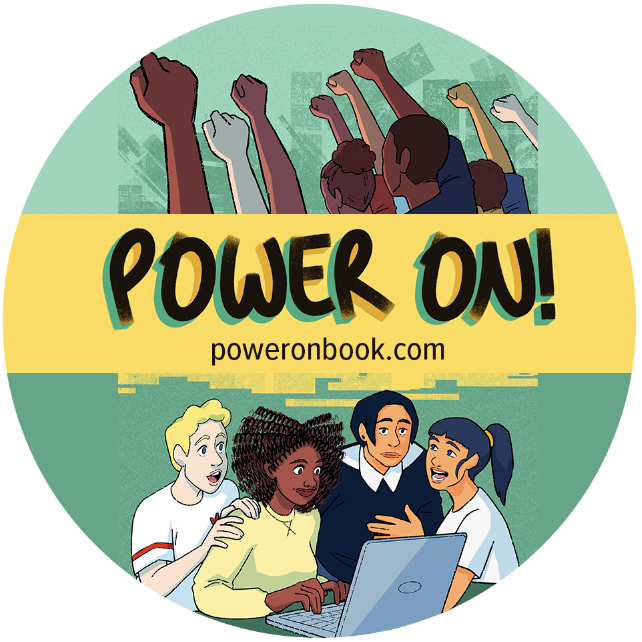
CSforCA members Jean Ryoo, an educational researcher and writer, and Jane Margolis, a UCLA educational researcher and author, recently published Power On!, a graphic novel about CS education equity. The novel follows a diverse group of teenage friends who learn how computing can be personally and politically empowering and why all students need access to CS education. Read on to learn about their inspiration, their choice of medium, and why computer science education equity is at the heart of their work.

What inspired you to write Power On!?

Our work with students and teachers really inspired this book! Educational research is usually written for a narrow audience of academic researchers. We wanted to make sure that the important voices, perspectives, and experiences of the youth and educators we collaborate with — whose ideas have been shared in Stuck in the Shallow End (MIT Press) and various journal articles we have written — actually reach a larger audience. And, we wanted to help create a resource for CS classrooms and out-of-school settings to help spark necessary discussions about technology in today’s world.

What are you hoping readers take away from Power On!?

Our goal is to inspire productive dialogue around key topics related to underrepresentation in computing and ethical issues in tech that are raised in the book. These topics are currently missing in most in-school and out-of-school learning contexts. More specifically, we hope that youth get engaged with a critical eye and voice about some of the most important questions about technology today, such as: Is there racial bias in algorithms? What are algorithms? Why does underrepresentation of students of color and females really matter? What can be done to change this? Who are some of the inspiring heroes in CS who themselves are people of color and females?  What does it entail to have technology for social good and not harm? For educators, we hoped that the book would help them facilitate conversations on some of these important topics — topics that are not commonly discussed in computer science education, unfortunately. We see the need for this to change. 

Can you describe the inspiration for choosing the graphic novel as your medium? 

Graphic novels can be both a beautiful and entertaining way to communicate not only important ideas, but also unique voices, emotions, visions, and movements. They intrigue people of all ages with their imagery and dialogue, they create opportunities to make abstract ideas come to life through character interactions and dialogue, and they are often more accessible to a wider range of readers and reading appetites. We have read many inspirational stories through graphic novel formats –– such as March and RBG –– and it seemed like the perfect way to translate our research findings to support conversations about pressing issues in computing for either classrooms or out-of-school program spaces.

Who do you hope will read this and in what context?

We hope the book will be used in both classrooms and out-of-school programs with middle and high school-aged youth; in teacher professional development programs as a conversation starter for computer science educators who care about ensuring that computer science is truly equitable and relevant to students’ lives; we hope that other community members (e.g., parents, aunts/uncles, caretakers, etc.) will read the book and be inspired to advocate for their children’s access to quality computer science education; finally, we hope that tech company Diversity, Equity, and Inclusion teams will add the graphic novel to their book clubs.

Are there any resources for teachers to facilitate conversations around the themes of the book?

Yes! We are collaborating with Computer Science Teachers Association Equity Fellows to develop educator resources for the graphic novel. The resources include discussion questions, lesson plans, additional readings, videos, and tools, etc. These will be available for free online on our website: poweronbook.com. Collaborating with these educators has been inspiring to us and we are so grateful for their engagement with Power On! 

Why is CS education equity important to you?

CS educational equity is important to us because in today’s world everything is impacted by computing. The way we learn, determine fact from fiction, get our news, develop our interests, the jobs we can apply for — all are impacted by computing. Today, almost every career from the arts, medicine, environmental science to mechanics is connected to computing. Further, one’s full participation in our democracy is greatly enhanced by understanding computer science. 

Unfortunately, CS education has been and continues to be a window into how inequality is perpetuated in our education system. In our research in Stuck in the Shallow End: Education, Race, and Computing (MIT Press 2008, 2017), we found disparities in the quality of learning opportunities that fell along race, gender, and socioeconomic lines. Schools with high numbers of students of color in low-income areas were offered fewer courses, which were often only focused on basic rudimentary skills, like keyboarding and internet searching, instead of the computational thinking that is at the heart of CS. We found biased belief systems that associated white and Asian males as the students with “innate” interest and capacity, while others were assumed to be “just not interested.” But, that was false. Actually, it was the students with “preparatory privilege” — resources at home such as computers, financial support to go to computer camps or buy robotic kits, etc. — who were the ones flocking to CS classes early on, whereas others felt that they just didn’t belong. And, then there were the educational policies, such as tracking, lack of funding for teacher professional development, etc., that clearly compounded inequalities, and played a role in determining which students in our study took computer science and which did not. 

In today’s world, knowing CS is part of knowing how our world works. So, CS education must be available and made relevant and engaging for all students, and as our current youth collaborators in our student voice research have emphasized: when CS education connects to the larger sociopolitical and ethical issues students care about in their real lives, their engagement with computing increases. We need to create more opportunities for youth to find connection with computing education for the benefit of all our communities.

What is your vision for CS education in California?

First, CS education must be in every school, with teachers who have been able to attend professional development opportunities that examine the importance of the equity issues we discuss above. And, the demographics of CS classes must reflect the demographics of the schools at which they’re taught. All perspectives and life experiences are necessary in this field. We hope for California CS education to be inquiry based, filled with problem solving and assignments that are relevant to the issues that students feel passionate about. 

Additionally, CS education must prepare students with critical thinking skills to be able to understand the role that technology and computing plays in our society today — the issue of ethics in technological innovation;  how technology has been found to cause harm as well as social good; and how biases get programmed into technology, etc. CS education should be meaningful, fun, relevant, and welcoming. Students should feel that they belong, their perspectives are valued, and that they have agency. 

It is for these reasons that we wrote the graphic novel Power On!. We wanted to challenge the belief that computer science education is “neutral” and “apolitical” and that CS classes are not places for these kinds of discussions to take place.Instead, all students need to be involved. If we don’t include these larger issues into our re-visioning of CS education, future technologists (both users and creators) will not be the champions for equity that we all need them to be.

Anything else you'd like to share with us?

We are so grateful for the enthusiastic welcome we have received from the CS education community toward our graphic novel; educators recognize that there is a gap in which students are being taught about CS and they see that our graphic novel will fill it.

We would like to share the words of a CS student we are working with on why she thought issues of equity were important to consider in CS education: 

“CS students simply want to talk more about social issues in their CS classes, so I think the main reason to have these discussions is that students want to have them. These topics are of value to them. Many students are aware of and connected to social justice efforts, and being in a scientific major doesn't change the fact that they're looking for CS to connect with the real world and issues that they care about. There's also the point of developing the critical literacies of these students. Purely technical education doesn't do that. So, the social and ethical aspect is always important if we're saying that we're bringing up the next generation of technologists, policymakers, etc.” (Takeria Blunt). 

We couldn’t have said it better ourselves!

Whether you’re a student, parent, educator, or interested community member, order your copy of Power On! today — a source of inspiration in our continued fight for CS education equity for all students across our state.  

CS Spotlight: Deepika Srivast​ava on Challenging the CS Status Quo

Having grown up in India, Deepika Srivastava was exposed to computer science (CS) at school daily from the time she was in sixth grade. Once she became an educator in adulthood, Deepika made it her mission to ensure that every student has an opportunity to learn CS. 

Now serving as the STEAM and Innovation Coordinator at Redlands Unified School District, Deepika conceptualizes, plans, develops, and coordinates K-12 STEM programs, which include computing at every grade level. Read on to learn more about Deepika’s journey into the CS field, why she believes CS education for all students is so important, and how she’s made that a reality in her school district. 

How did you get involved in STEAM/computer science education?

As an educator, I have taught math, AP Physics, and Computer Science at the middle and high school level. I have a Master of Science degree in Educational Administration, Administrative Services Credential, Single Subject Teaching Credential in Math, Physics, Chemistry, Introductory Science, and over 25 years of professional experience in the U.S. and India.

Why is CS education equity important to you?

My identity as an educator is a unique fusion of my personal and professional experiences spread across India and the U.S. My experiences have not only shaped my personality, but also my career aspirations. When I started as an educator in the U.S. in 2010, I realized that 38 years ago, in India, I had the opportunity to learn CS at my school as a sixth grader every day. Fast forward to teaching in the most developed country, and we still don't offer CS at every grade level. While some children are coding in Scratch, programming LEGO robots, and designing holiday ornaments using RaspberryPi, Micro:bit, and Arduino, most school districts do not even offer CS at every school. Equity and access in CS have been my driving forces — to ensure that every student has an opportunity to learn CS at every grade and every school.

According to Code.org, 42,969 CS students graduated into the workforce last year, in contrast to 486,686 current open computing jobs nationwide. Equitable access to CS education addresses the biggest challenge that exists for educators: how do we best prepare our students for this unknown future? CS education provides an entry point for all students, and we firmly believe that success in STEM is critical for personal and community economic advancement, especially for underrepresented students.

Can you describe your role at Redlands Unified?

I am currently working as the STEAM & Innovation Coordinator at Redlands Unified School District. In this role, my responsibilities include conceptualizing, planning, developing, and coordinating K-12 STEM programs to ensure student achievement for the entire spectrum of student needs and strengths. It has been my goal to integrate digital tools and best practices into the curriculum; collaborate with community partners to improve student outcomes; conduct teacher training; and close the opportunity gap for historically underrepresented minorities, with a focus on girls, English language learners, and students with disabilities.

Can you tell us about the CS education opportunities that Redlands Unified offers, and why offering a CS curriculum is so important?

The K-12 Computer Science pathway is rooted in Redlands Unified School District 2025 Vision and envisions a student-centric learning environment that will expose students to a multitude of educational and job opportunities that await them. The K-12 pathway is based on research that learning to code makes concepts and standards more tangible, and helps students develop pattern and structure awareness. It aims to challenge the barriers that exist in CS for historically underrepresented students and includes the following program elements, among others: 

What is your vision for CS and STEAM education in your school district?

Our vision for CS and STEAM is rooted in RUSD 2025, RUSD’s multi-year vision and centers around academic excellence and providing enhanced education. We firmly believe that coding fosters mathematical skills and competencies that go beyond computational skills, and are developed through genuine learning environments and problem-solving situations. Coding prepares students for 21st century careers by developing innovative thinking and rigor, and igniting a passion for problem solving.

RUSD school attendance, engagement, and performance data reveals that accelerating learning through innovative, hands-on exploratory experiences will be paramount to closing the achievement gap. To this effect, RUSD in collaboration with UC Davis CSTEM Center is engaging in an innovative approach systemwide to increase math engagement and achievement by integrating coding and robotics into math instruction, while maintaining focus on the California Common Core State standards. Teaching math with computer programming will give mathematical concepts context and relevance while still requiring the same level of rigor as traditional mathematics instruction. CSTEM will bring to life abstract math standards that students tend to struggle with in a non-evaluative setting, and cognitively engage and challenge students in a math classroom while alleviating anxiety.

Integrating computer programming across curriculum and offering STEAM courses will further students’ logical and critical thinking skills. Redlands Unified School District has partnered with the University of California, Riverside, University of California, Davis, University of Redlands, PLTW, CSfor All, CSforCA, LEGO Education, Esri, and other community partners to create a K-12 STEAM & Computer Science pathway, so all students have the opportunity to learn computer science integrated across curriculum at school, extended day learning, summer academy, and online learning programs. Our short-term goal is to engage students with STEAM and CS socially, effectively, and cognitively, and build capacity with ongoing teacher professional development. RUSD is focused on empowering students' actions and voices, building capacity, and deliberately creating mentoring opportunities for our teachers, counselors, and administrators. All of these steps will push us closer to achieving our long-term goal: closing the achievement gap for our students.

What advice would you give a teacher looking to get into CS?

My message to my fellow educators is that our role has less to do with teaching content, and more to do with facilitating opportunities for practicing adaptability and resilience. Computer science might sound like a complex and sometimes daunting subject, but now more than ever, it is our job to demystify misconceptions about the subject. It is imperative to introduce children of all ages to the basics of coding by integrating it across curricula.

To take a closer look at what access to CS education looks like in your district and across our state, check out our CS Equity Dashboard, which provides a searchable tool for you to discover intersectional 2018-19 data.

CS Spotlight: Jose Guaro, Hackathon Founder and CS Advocate

We talked to Jose Guaro — former student of computer science teacher and advocate Art Lopez and creator of high school hackathon TritonHacks — about his entry into the CS field and the importance of CS education equity. Now a software engineer, Jose is determined to open up CS pathways for all students, through events like hackathons, in our increasingly digital world. Dig into Jose’s story. 

How did you get your start in computer science and coding?

My first time coding was purely out of curiosity. It was the summer before my junior year of high school, and I was set to start AP Computer Science A in the fall. It was a class I didn't know much about and enrolled in on a whim. Since it was an AP class, I knew it was going to be hard, so I decided to prepare myself beforehand. To do so, I bought an introductory programming book on Python, which I treated as my own summer reading. I was surprised when I later learned that we were going to use Java in the class, but the skills were easily transferable.

What do you like about CS?

I really loved playing with Legos growing up. As I grew older and learned how to code, I realized that building with Legos and creating a program felt very similar. A programming project is never complete — there will always be bugs and features to fix and add — but there does come a point in a project where one can step back and say, “Wow, I really built this.” I think this is the best part about computer science and coding; we're allowed to fail and then get back up to keep learning and building.

What is TritonHacks, and what are its goals?

TritonHacks is a high school hackathon that is open to the high schoolers in San Diego County. The hackathon was created to address issues of equity and access in K-12 CS education by providing students with a time to create and learn in the hopes of encouraging them to pursue computational fields.

How did TritonHacks get its start and become a reality? And, what is your current role?

I drafted the original idea for TritonHacks back in fall 2018. I had just become the president of a student organization at UCSD called CS foreach, which I helped co-found the year before. I was very enthusiastic about projects that the organization could do under my leadership and decided to plan a hackathon.

For anyone that's been to a hackathon or conference (notably in-person), there's a certain collaborative energy that comes with such an event. People from all over gather in one place to create and work together on projects. It's oddly fulfilling, and I thought I could bring that same energy to beginners, who are on the fence about coding and CS. Now, as a recent graduate, I serve as an advisor for the current leadership of TritonHacks.

What are some upcoming events?

TritonHacks 2022 is set for May 2022, so we're currently in the planning stages for the event. In the meantime, CS foreach — the parent organization behind TritonHacks — has many other upcoming outreach events, which you can check out here.

Why is CS equity and increasing access to coding important to you?

My passion for equitable CS education did not come from a favorable experience. I went to a high school in Southern San Diego, whose computer science program was in its infancy — which was also true for many other schools in the district and nearby region. I didn't fully realize this until I attended UCSD, where most of my peers had exposure to CS as young as middle school. I felt wholly unprepared for my education and career prospects, not to mention that I lacked a significant support system. 

I didn't want other students from similar backgrounds to experience that upon entering college, and felt an innate obligation to do something about it. This led me to co-found CS foreach and eventually attempt projects, like TritonHacks — all to make sure that students like me have a chance. 

We're in an era of information and, increasingly, every aspect of our lives is tied to some form of computation. It's important that we equip the current and future generations with every tool, as well as the necessary knowledge, to prepare them for our technology-driven world.

If you’re interested in implementing equity-minded computer science courses in your school, district or county, check out our CSforCA Equity Guide.